As of November 10, 2026, outside teams were using Hyperliquid in three distinct ways: Papertrade read its prices, Trade[XYZ] opened markets using its matching engine, and Kinetiq was building an L2 intended to access more of its order book. The distinction matters because each route places trading, verification and revenue in different hands.
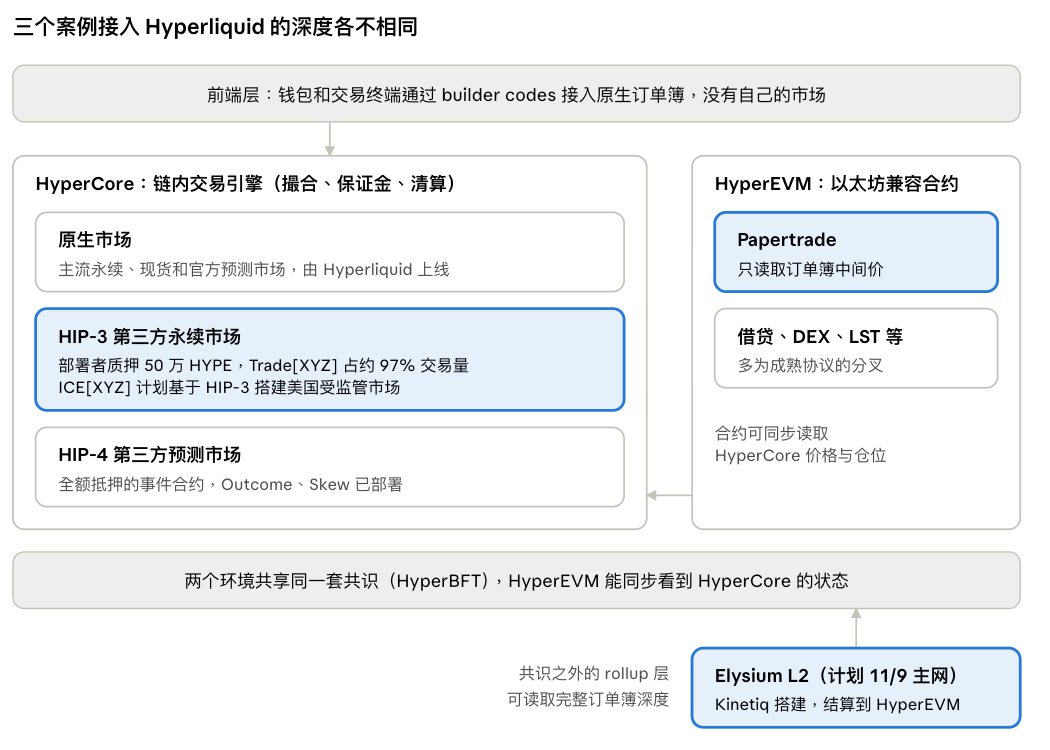
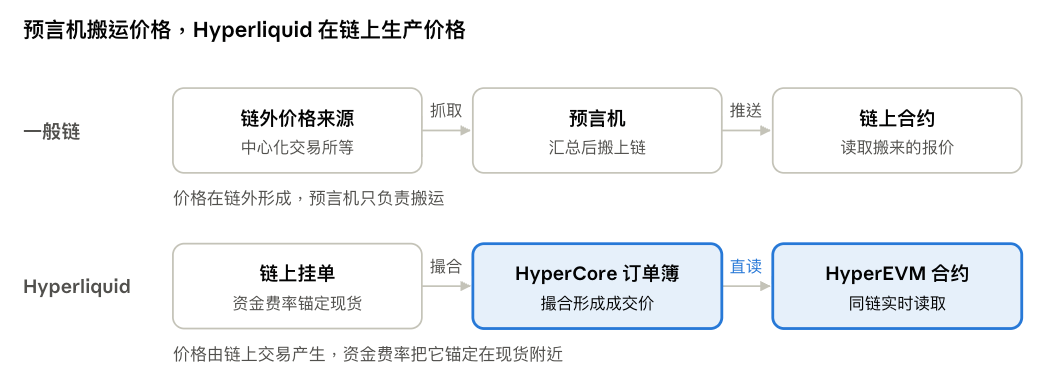
Hyperliquid’s exchange runs on HyperCore, while HyperEVM lets external teams deploy contracts. HyperEVM contracts can read information from HyperCore and send it instructions, but an application that reads a price does not necessarily execute trades on HyperCore or share its liquidity.
Reading a price: Papertrade
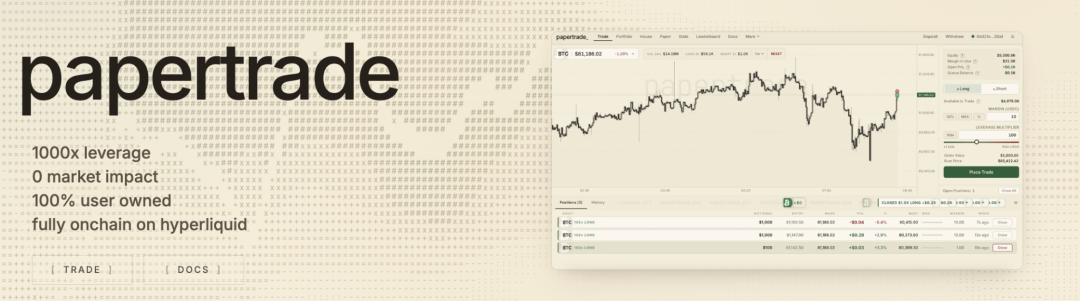
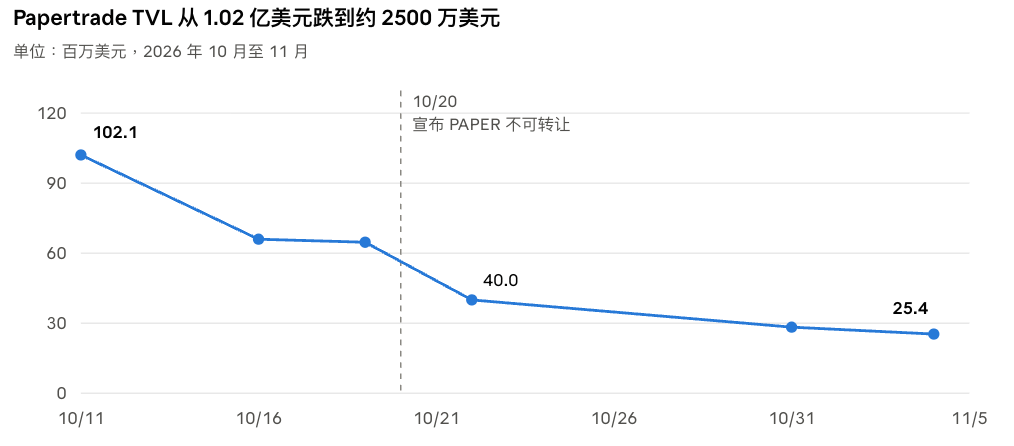
Papertrade launched on HyperEVM on October 10, 2026, with BTC and ETH markets. It read Hyperliquid’s midpoint price when positions opened and closed, but settled gains and losses against its own USDC pool rather than placing trades on Hyperliquid. It advertised leverage of up to 1,000 times and a mechanism that minted PAPER when users closed losing positions or were liquidated.
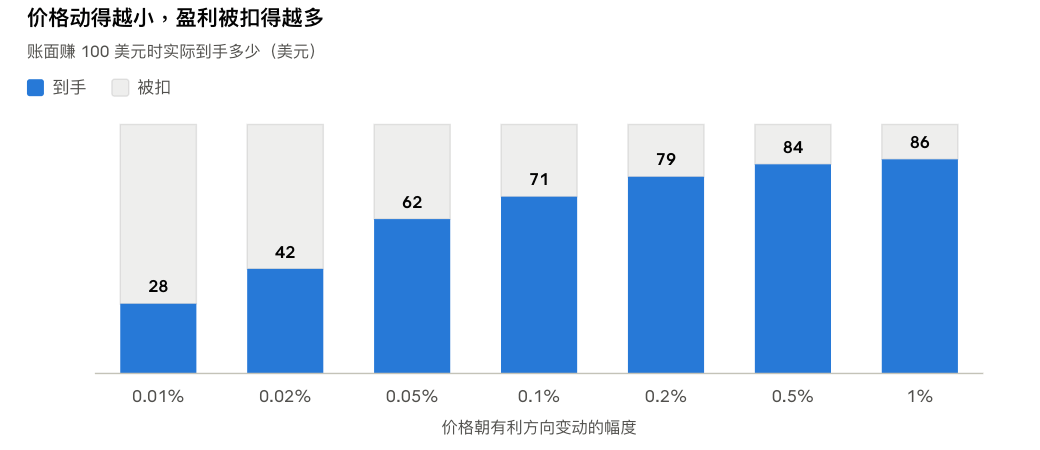
The arrangement illustrates both the usefulness and the risk of price access. The source reports more than $1 trillion in notional trading volume during Papertrade’s first week, but that was not HyperCore trading volume. It also reports an attempted price manipulation on launch night: someone used large orders to move Hyperliquid’s ETH price while taking a position on Papertrade. The application depended on the price, while its trades and settlement remained outside HyperCore.
Using the matching engine: Trade[XYZ] and ICE
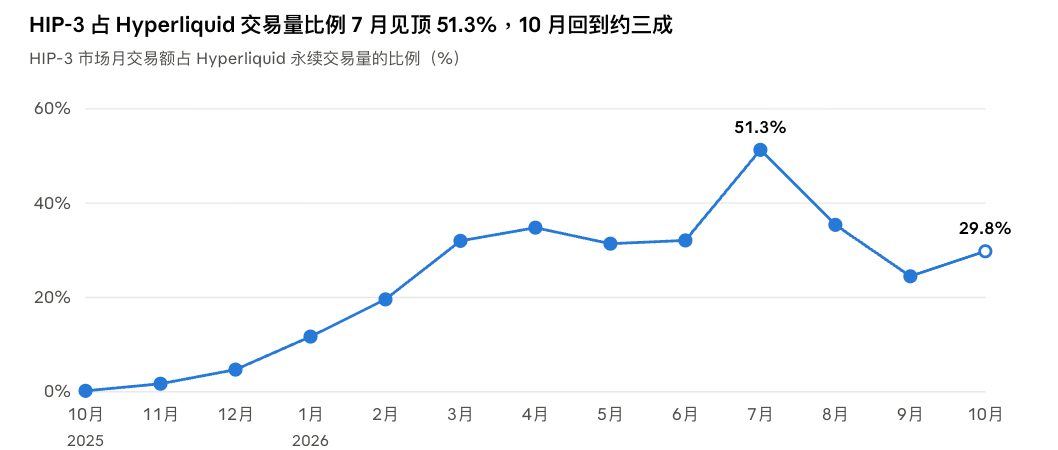
Under HIP-3, third parties can deploy perpetual markets on HyperCore by staking 500,000 HYPE. Trade[XYZ], the largest HIP-3 deployer in the source’s account, offered markets including equities, indexes, oil and foreign exchange. These markets use Hyperliquid’s matching and margin systems, although each market needs its own order-book depth; liquidity is not automatically shared with Hyperliquid’s official markets.
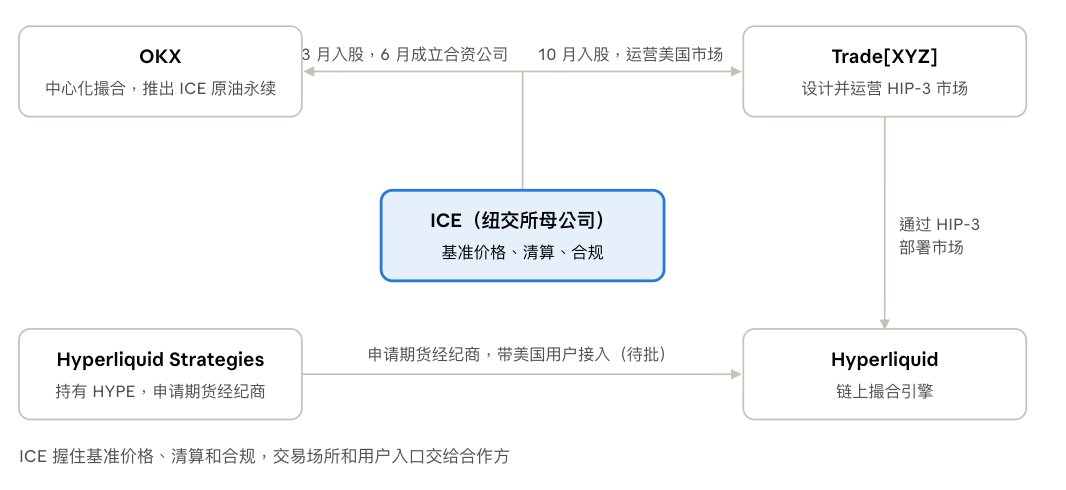
On October 29, 2026, New York Stock Exchange parent ICE took a stake in Trade[XYZ] and outlined a proposed US market, ICE[XYZ]. In the described plan, Hyperliquid would supply matching technology, Trade[XYZ] would design markets, and ICE would operate the exchange and handle clearing. The plan was still awaiting CFTC approval at the time of the report. Separately, Payward had announced a plan to deploy HIP-3 markets through Bitnomial; that route was also awaiting regulatory approval.
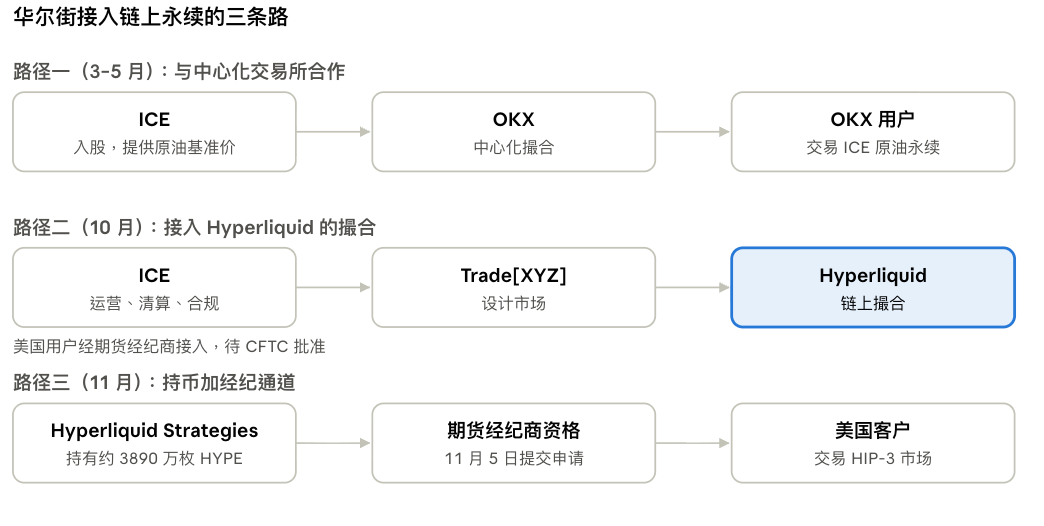
The trust and access boundary here is regulatory as well as technical. A restricted US market could use Hyperliquid’s matching engine without admitting its existing offshore traders and market makers. Its liquidity would therefore need to develop within the permitted group rather than simply carry over from the open market.
Reading more of the book: Elysium
Kinetiq’s Elysium is an Arbitrum-stack L2 that settles to HyperEVM and aims for roughly 100-millisecond blocks and processing capacity about 100 times HyperEVM’s. The source gives November 9, 2026 as its mainnet date, describing it as a launch in a timeline but as a planned launch elsewhere. Those descriptions do not establish how much of its proposed functionality was live by the November 10 reporting date.
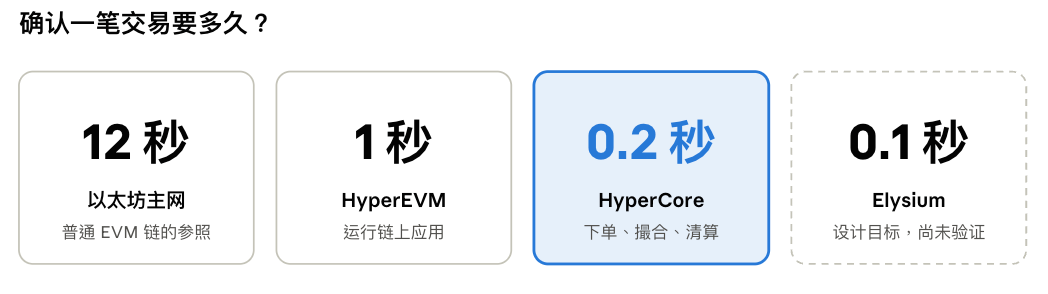
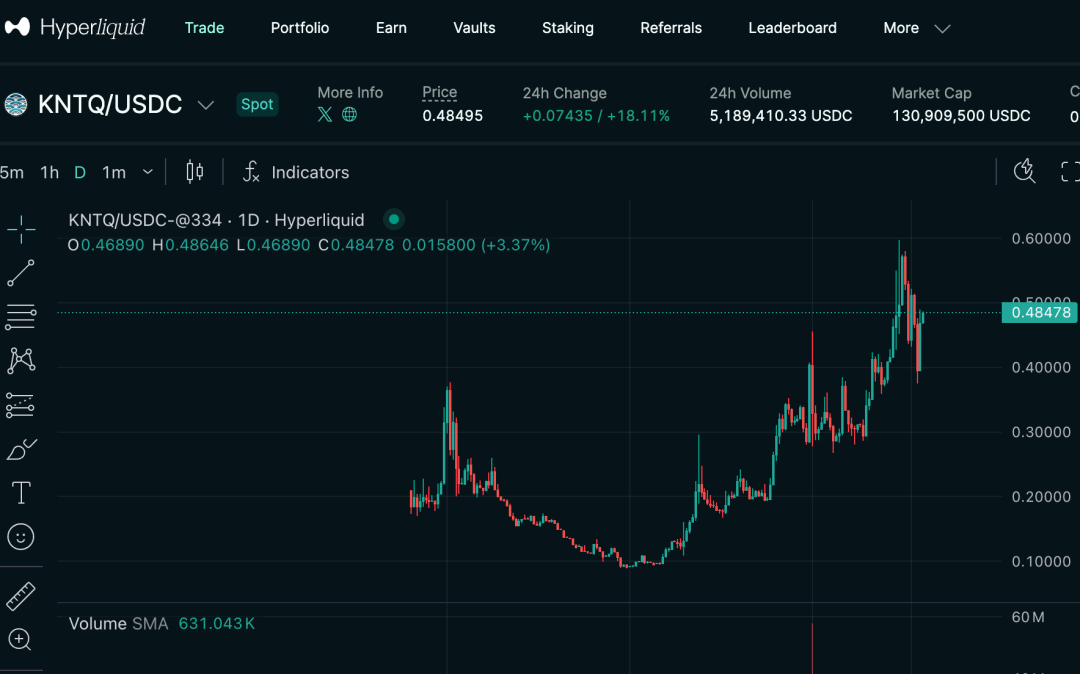
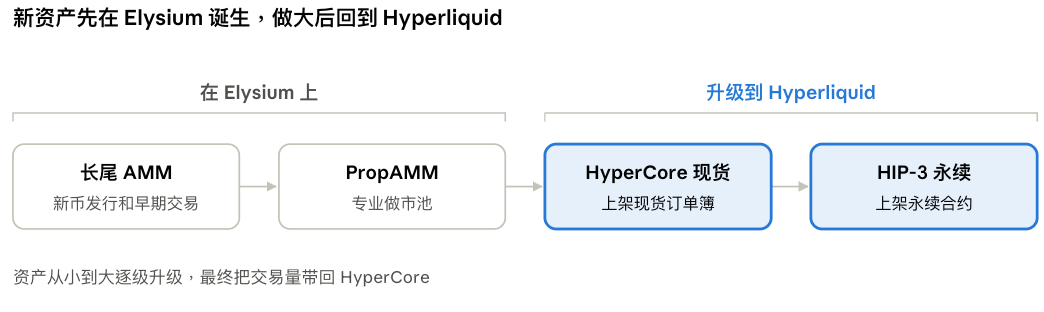
Elysium’s intended distinction is access to the full HyperCore order book, rather than the best quote available to HyperEVM applications, with direct order placement described as a later capability. That access changes the trust assumption: according to the source, Elysium would obtain full-book data from its own nodes, with its sequencer standing behind the data, rather than having that data verified by Hyperliquid consensus. Its initial design also uses a single sequencer and permissioned validators. The performance target and the proposed path for new assets—from Elysium trading pools to HyperCore spot markets and potentially HIP-3 perpetuals—still needed to be tested in use.
Who benefits when others connect?
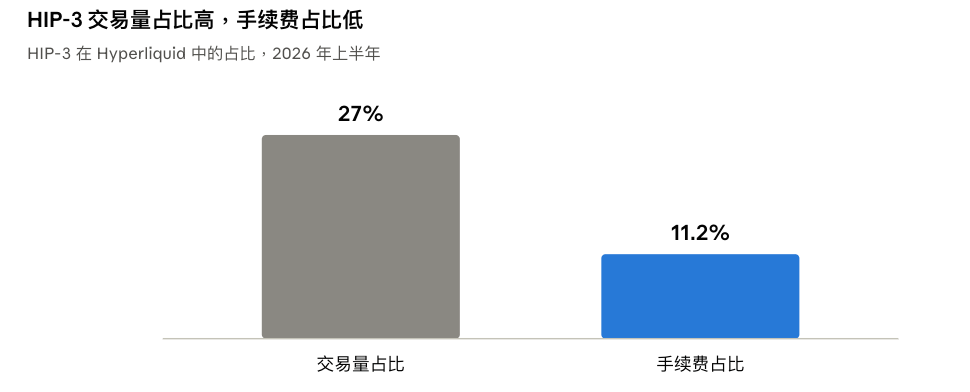
The three routes do not send value to Hyperliquid in the same way. Papertrade settled against its own pool. Elysium planned to use HYPE for gas while directing half its fees to KNTQ buybacks and burns. HIP-3 trades execute on HyperCore, but fees are shared with deployers; the source says many markets also charged reduced rates. ICE[XYZ]’s fee split had not been disclosed.
The central question raised by these arrangements is not whether other products can use Hyperliquid’s order book—they already use or propose to use it in different ways. It is whether that use produces durable HyperCore activity and revenue, while price dependence creates manipulation incentives and restricted markets risk separating liquidity from the broader exchange.