An unauthorized party accessed company information and contact details for some institutional clients and employees of Zodia Custody, the crypto custodian backed by Standard Chartered. Zodia CEO Richard Clark told Reuters that the investigation had found no unauthorized transactions as of the November 27, 2026 report.
Zodia detected attempts to probe its systems on November 23 and temporarily disabled the software institutional clients use to connect directly to its platform. On November 24, it discovered the unauthorized access. Zodia has since restored the service and notified affected clients and regulators. It has not disclosed who gained access, how they got in or the full extent of the breach.
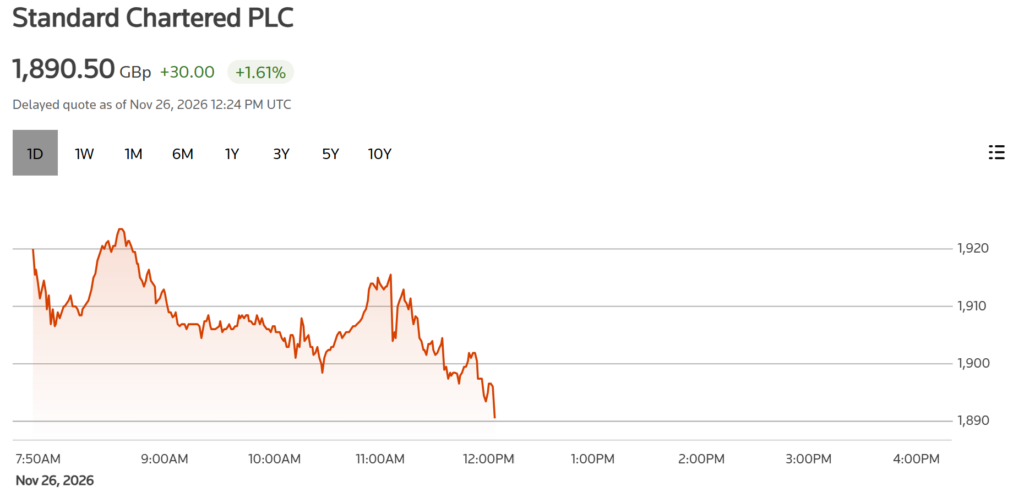
The incident came weeks after Standard Chartered signed agreements to acquire full ownership of Zodia. The bank’s shares rose 2.6% during trading on November 26.

Contact data and crypto assets pose different custody risks
Institutional funds rely on specialist custodians to safeguard crypto assets. BlackRock’s spot Bitcoin ETF, for example, uses Coinbase Custody, with Anchorage Digital Bank as an alternative custodian. The Zodia breach illustrates a separate risk: even without an unauthorized transfer, exposed contact details could help criminals impersonate a financial institution in a targeted phishing attempt.
European law also distinguishes between these risks. Under the EU’s Markets in Crypto-Assets Regulation (MiCA), licensed custodians are liable for crypto assets or private keys lost in incidents attributable to them. Personal data breaches fall under separate data protection laws, while the Digital Operational Resilience Act requires reporting of major technology incidents.