Historical report: PANews published the original article on November 11, 2026, at 16:40 (UTC+8). The events and statements below reflect that reporting period.
Some large Bitcoin holders have exchanged directly held BTC for shares of BlackRock’s iShares Bitcoin Trust (IBIT), according to BlackRock digital assets head Robbie Mitchnick. The move changes who controls custody: investors hold fund shares rather than personally holding the keys to the underlying bitcoin. PANews reported that concerns about physical attacks and the burden of safeguarding keys were central to the debate, while self-custody advocates objected to the renewed dependence on financial intermediaries.
The risks behind the custody debate
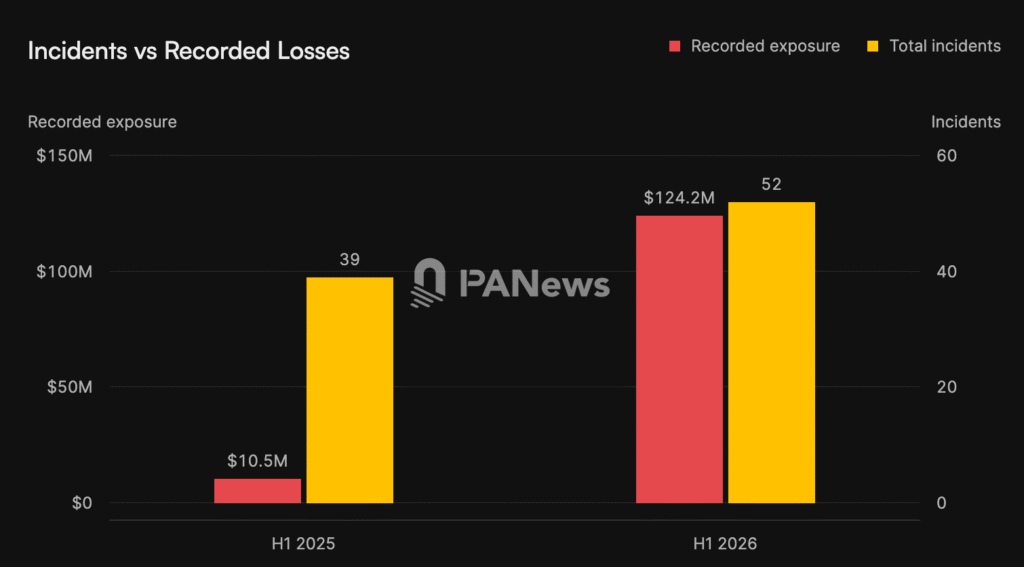
PANews cited a CertiK report recording 52 violent attacks against crypto holders worldwide in the first half of 2026, up 33.3% year over year. The report put recorded funds exposed in those incidents at about $124.1 million, compared with $10.5 million a year earlier; 33 incidents occurred in France. These are physical threats that keeping a private key offline cannot, by itself, eliminate.
The article also described reported hardware-wallet incidents. It attributed a theft exceeding $100 million in August to an earlier key-generation flaw affecting Coldcard, and said an October incident involved allegedly modified Ledger devices sold through Southeast Asian distributor CryptoBilis, with estimated losses as high as $93 million. PANews said Trezor had also confirmed suspicions of similar tampering involving devices sold through CryptoBilis. Those claims concern particular devices and distribution channels, not proof that every hardware wallet is compromised.
What the IBIT conversion changes
Mitchnick said in an interview cited by PANews that demand for converting directly held bitcoin into ETF shares had continued to grow, with security and peace of mind among clients’ principal reasons. He said BlackRock had recorded about $3.6 billion in in-kind conversions into IBIT shares since regulators approved crypto-asset in-kind creations and redemptions in 2025. Because BlackRock does not handle every transaction and may not see every conversion, he said the actual total could be higher.
According to Mitchnick, the minimum for an IBIT in-kind conversion had fallen from roughly $30 million to about $1 million–$2 million. His hope of eventually lowering it to a single ETF share was an aspiration, not an available option; he noted that costs were unlikely to fall to zero soon.
An ETF share provides exposure to bitcoin, but it is not bitcoin in a holder’s own wallet. Bitwise chief investment officer Matt Hougan argued that ETF custody can add safeguards for long-term investors. Describing Bitwise’s arrangements, he cited offline storage, multiple approvals for transfers and restrictions on destination addresses. He also noted a practical limit: although shares trade during market hours, an investor cannot immediately withdraw or transfer the corresponding bitcoin. Hougan said a reported attack on Binance’s hot-wallet system should not be confused with a flaw in the Bitcoin network.
Where control and dependence move
Self-custody advocates cited by PANews argued that transferring custody to institutions can reintroduce risks of censorship and asset freezes. Institutional custody, in turn, concentrates responsibility with custodians and their approval systems. PANews reported Coinbase’s disclosed estimate that it held about 90% of the Bitcoin ETF custody market. OneKey founder Yishi warned about that concentration and raised concerns about attacks on transaction-approval workflows; his assessment of potential attackers and targets was a warning, not a confirmed attack on IBIT. Coinbase, for its part, said its vault assets were kept in cold storage and segregated on-chain, and described controls including key sharding, transfer-rate limits and emergency measures.
The distinction is therefore not simply between “safe” and “unsafe” storage. With self-custody, the holder retains direct control and its associated responsibilities. With ETF shares, the holder relies on the fund and its custody arrangements and cannot use those shares as bitcoin for an immediate on-chain transfer.
Source: panewslab.com (originally published 2026-11-11 16:40 UTC+8)